The True Cost of Overpricing: Protecting Your Equity & Market Momentum
Monica Hartinger | June 21, 2026
Sellers in Real Estate
Monica Hartinger | June 21, 2026
Sellers in Real Estate
Every corner of a house holds a story. The barely visible scratch on the doorframe where you measured your children’s growth, or the shared laughter around the dinner table during the holidays. When my clients in Benicia and the Bay Area decide to take the next step and sell a property, I completely understand that they aren't just pricing square footage; they are placing a value on a beautiful chapter of their lives.
It is entirely natural to want to maximize the return on that legacy. However, throughout my years guiding families at Cultivate Real Estate, I’ve learned that the local housing market moves to its own rhythm. Sometimes, in an effort to protect that emotional value, it's easy to fall into the temptation of setting an initial asking price that is just a bit too high.
Today, I want to share with you, heart-to-heart, why entertaining an unrealistic price point can actually delay your dream of moving forward, and how the right home valuation strategy protects your family's true wealth.
The most common rationale for overpricing a property is: "We can always drop the price later, but let's see if we get a high bite first."
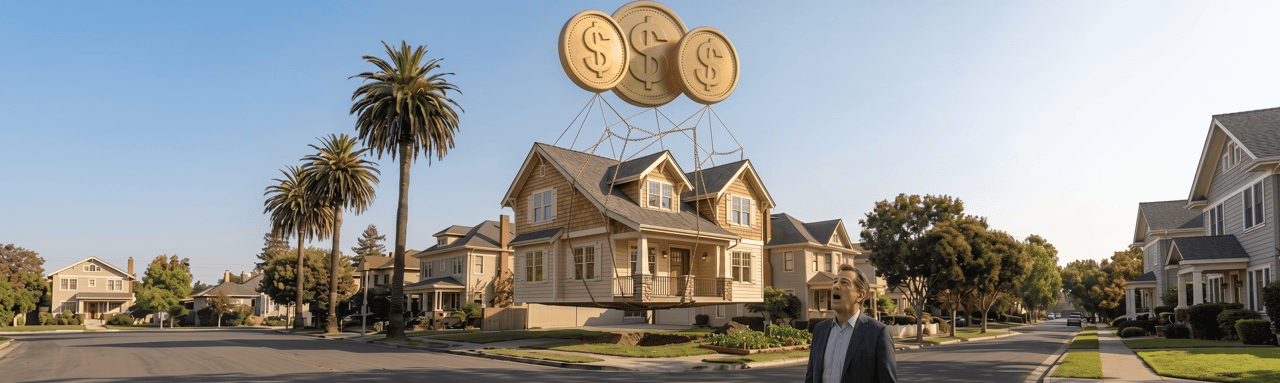
The problem with this strategy is that real estate markets move on momentum. A property receives the highest level of attention, views, and showing requests during its first 14 days on the market. When you launch at an unrealistic price point, you completely waste this prime window of high visibility.
When we prepare a house for sale, we want it to stand out for all the right reasons. However, an inflated list price can work against you in subtle, quiet ways:

When buyers compare an overpriced home against correctly priced homes for sale with similar layouts in Solano County, it instantly makes the neighboring properties look like an incredible bargain.

If a property sits on the market for 30, 60, or 90 days, buyers start to wonder, "Is there something wrong with that house?" Even if your home is flawless and filled with charm, the extended time on the market creates an invisible red flag that erodes its perceived value.
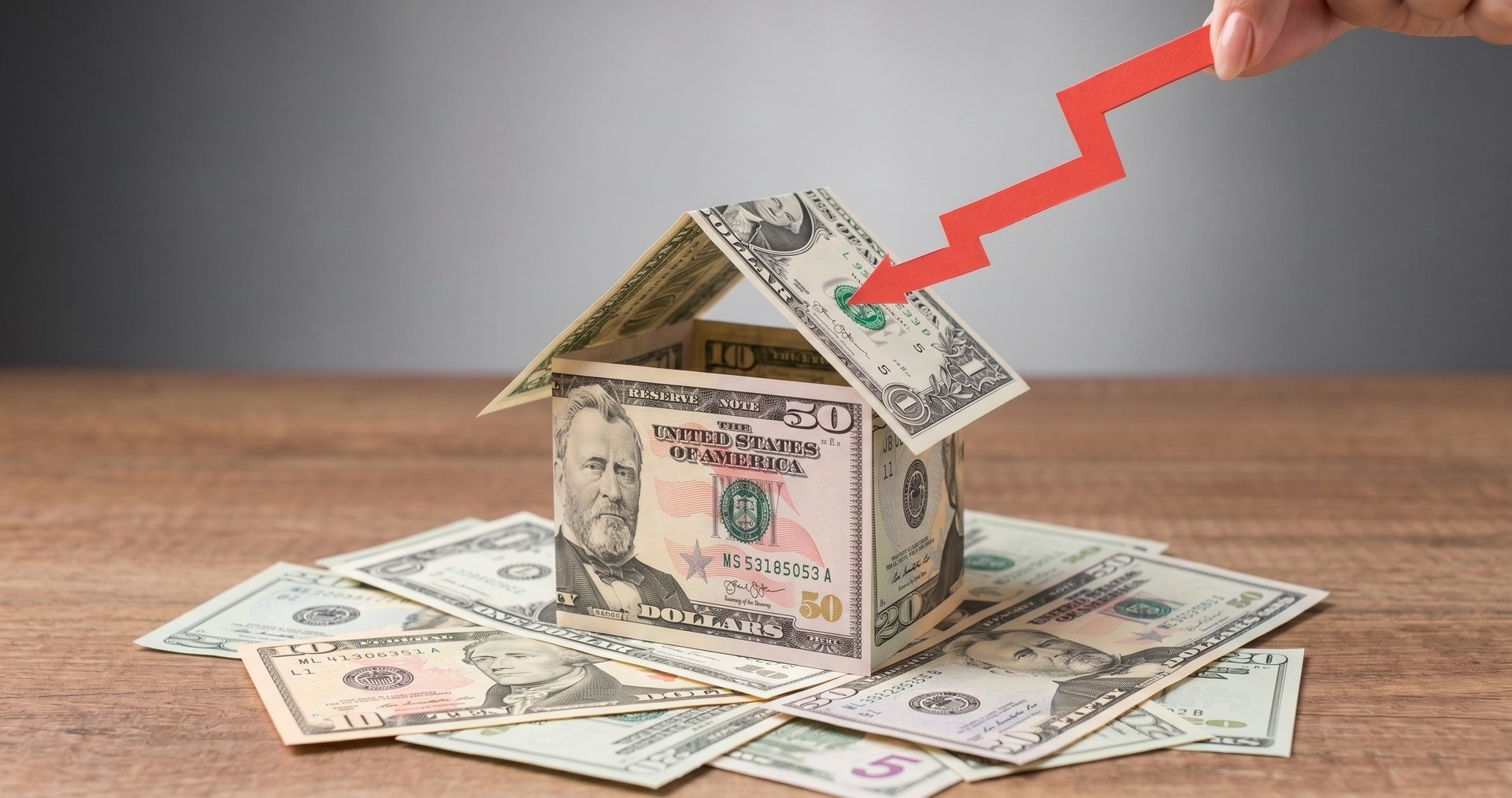
By the time we decide to adjust the price to meet actual market value, the initial buzz has faded. Buyers recognize that the listing is stale, perceive a sense of urgency, and often submit offers below market value knowing you are ready to make a move.
Finding the perfect sweet spot requires an objective look at recent comparable market analysis (CMA) data and current inventory, combined with the personalized and exclusive service that only a boutique real estate firm can offer. My recommendation is that you seek support from an expert with whom you connect and feel secure and supported throughout the entire process. Get advice before making any decisions.
At Cultivate Real Estate, our goal is to provide our clients with peace of mind while firmly protecting their assets, and you shouldn't expect anything less.
If you are currently on the fence about whether to sell your asset or keep it as an income stream, I cordially invite you to read our analysis of the biggest mistakes new landlords make to help you weigh your financial options before committing to a list price.
Stay up to date on the latest real estate trends.

Real Estate
An expert local guide to the best neighborhoods, waterfront lifestyle, historic architecture, and real estate opportunities in Vallejo, California.

Real Estate
From First Street to the waterfront, discover the cafés, restaurants, and local favorites that make everyday life in Benicia feel a little more special.
Sellers in Real Estate
Why Overpricing Wins the Competition for Your Neighbors and Kills Your Property's Momentum
Real Estate
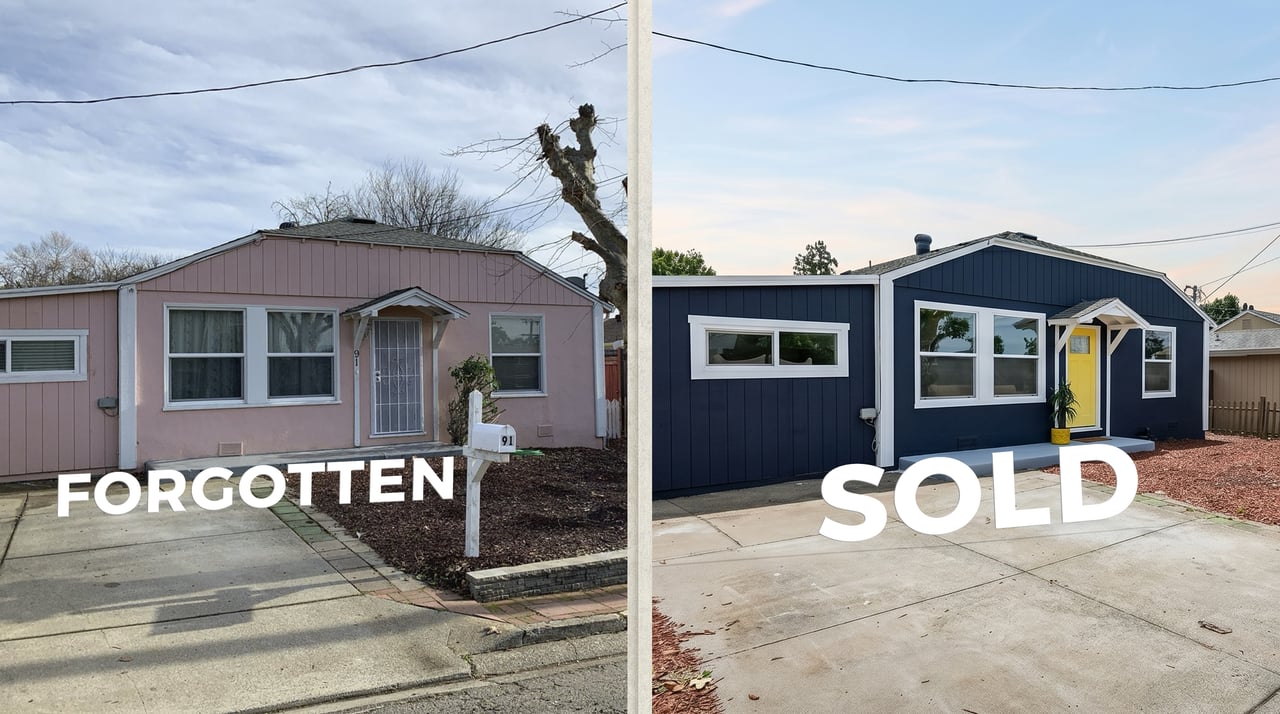
How to create an immediate emotional connection and maximize buyer interest from the moment they pull into your driveway.

BENICIA, CALIF. (PRWEB) FEBRUARY 23, 2022 Monica Hartinger today announced Cultivate Real Estate and its partnership with Side, the only real estate technology company… Read more
You’ve got questions and we can’t wait to answer them.